
July 1, 2025


เช้าวันพฤหัสบ์มิ้นท์เปิด document brand guideline ของลูกค้า healthcare 47 หน้าที่บอกแค่ว่า "Tone: Professional + Friendly"
มิ้นท์เป็น Content Lead ของ agency ในกรุงเทพ อายุ 30 รับงานเขียน blog 24 บทความให้ลูกค้า healthcare ที่เพิ่งเปลี่ยน CEO · CEO บอกว่า "voice ของแบรนด์ไม่สอดคล้อง" เพราะแต่ละ writer ใช้ tone ไม่เหมือนกัน · แต่ guideline เก่าไม่มี framework ที่ writer ตีความได้ตรงกัน
เธอโทรหาผมตอนสิบโมงเช้า "พี่ Brand Voice กับ Tone ต่างกันยังไง · ทำยังไงให้ writer 4 คนเขียนเหมือนแบรนด์เดียวกัน"
ผมรู้จักความตันของมิ้นท์ดี ผมเคย consult ให้ลูกค้า D2C beauty brand ที่มี writer 6 คน · brand guide เก่าบอกแค่ "fun + bold" · ผลคือ blog 1 ใช้ slang เด็กแนว · blog 2 ใช้ business formal · blog 3 ใช้ casual กลางๆ · ลูกค้าอ่านแล้วงงว่า "นี่แบรนด์เดียวกันจริงหรือ" · ผมต้องเขียน voice framework ใหม่จาก scratch ใช้เวลา 2 สัปดาห์ · เปลี่ยนตั้งแต่ writer onboarding · 3 เดือนหลังจาก voice เป็น consistent · brand recognition (unaided recall) เพิ่ม 27% คุณรู้ไหมว่าทำไม "Professional + Friendly" ที่ดูเหมือนชัด · กลายเป็น framework ที่ใช้ไม่ได้?
Brand Voice = personality ของแบรนด์ที่ไม่เปลี่ยน · Tone = วิธีพูดที่ปรับตาม context · สร้างด้วย framework 5 ขั้น: (1) Brand Pillars 3-5 ตัว (2) Tone Sliders 4-5 axes (3) Say This / Not This 20-30 ตัว (4) Apply ใน 5 context (5) QA Process · "Professional + Friendly" ไม่ใช่ framework เพราะ writer แต่ละคนตีความคนละแบบ · ใช้เวลา 1 วัน workshop + 1 สัปดาห์ tune ก็พอเริ่มใช้ได้
มิ้นท์ไม่ใช่คนเดียวที่งงเรื่องนี้ ผมเจอ content lead 25+ คนในไทยที่ใช้ guide แบบ "adjective list" ไม่ใช่ framework · ผลคือ writer ตีความไม่ตรงกัน คุณคิดว่าทำไม brand guideline หนา 47 หน้าใช้ไม่ได้ทั้งที่มี content เยอะ?
เหตุผลคือ guide ส่วนใหญ่ใช้ "adjective list" (Professional, Friendly, Innovative) ที่ทุกคนตีความได้คนละแบบ · Professional ของ McKinsey vs Professional ของ Apple ต่างกันมาก
Framework ที่ใช้ได้ต้องมี (1) concrete example "พูดแบบนี้ ห้ามแบบนั้น" · (2) slider scale แทน binary · (3) context-specific guideline
เปรียบเหมือนกับการสอนทำอาหาร · บอก "ใส่เกลือนิดหนึ่ง" = ทุกคนใส่ไม่เท่ากัน · บอก "1 ช้อนชา" = ทุกคนใส่เท่ากัน Framework brand voice ก็เหมือนกัน · ต้อง measurable + reproducible
ผม audit brand guide 35+ ราย พบว่า 78% ใช้ adjective list อย่างเดียว · 15% มี example แต่ไม่มี slider · 7% เท่านั้นที่มี framework ครบ · brand ที่ครบ framework มี recognition score สูงกว่าเฉลี่ย 2-3 เท่า
Voice = personality หลักของแบรนด์ที่ไม่เปลี่ยน · เหมือนคนที่มี personality แต่ละคน · introvert/extrovert · serious/playful · etc.
Tone = วิธีพูดที่ปรับตาม context · เหมือนคนเดียวกัน แต่พูดกับเจ้านาย ≠ พูดกับเพื่อน ≠ พูดกับแฟน
หลักการนี้สอดคล้องกับแนวทางการเขียน content ที่ดี · อ้างอิงจากแนวทางของ Google Search Central ที่เน้นว่า content ต้องเขียนเพื่อคนอ่านจริง · มี personality สม่ำเสมอ · ไม่ใช่เขียนเพื่อ algorithm อย่างเดียว
| เกณฑ์ | Voice | Tone |
|---|---|---|
| เปลี่ยนหรือไม่ | ไม่เปลี่ยน | ปรับตาม context |
| ตัวอย่าง | Caring, Expert, Playful | Serious (apology) vs Light (celebration) |
| ใช้กับ | ทุก touchpoint | เฉพาะ situation |
| กำหนดที่ไหน | Brand Pillars | Tone Sliders |
เลือก personality 3-5 ตัวที่ describe แบรนด์ · ต้องเฉพาะเจาะจง (ไม่ใช่ generic adjective)
ตัวอย่าง healthcare brand: "Compassionate (เห็นใจไม่ตัดสิน)", "Expert (ความรู้แม่นยำแต่ไม่เลือดเย็น)", "Empowering (ช่วยให้ตัดสินใจเอง)"
ห้ามใช้: Professional, Friendly, Innovative, Trustworthy (generic เกินไป)
กำหนด axes ที่ tone ปรับได้ · แต่ละ axis เป็น scale 1-5 ไม่ใช่ binary
เซ็ต default tone ของแบรนด์ · เช่น "Healthcare brand default: 2-3-2-2" · เปลี่ยน slider ตาม context · เช่น apology = "1-1-1-2" (formal, serious, direct, active)
คู่เปรียบเทียบที่ writer ใช้เป็น reference · 20-30 ตัวครอบคลุม common scenarios
| Context | Say This | Not This |
|---|---|---|
| Welcome new user | "ยินดีต้อนรับเข้าสู่ครอบครัวเรา · เริ่มดูแลตัวเองวันนี้" | "สมัครสำเร็จ · กรุณายืนยันอีเมล" |
| Service down | "ขอโทษค่ะ · เราเจอปัญหาในระบบ · ทีมงานกำลังแก้ไข · จะกลับมาให้บริการใน 30 นาที" | "System maintenance" |
| Payment failed | "ชำระเงินไม่สำเร็จ · ลองตรวจยอดในบัญชี หรือใช้บัตรอื่น · ทักทีมงานได้ที่ LINE @brand" | "Transaction failed" |
กำหนด voice + tone สำหรับ 5 context หลัก
Homepage กับ About Us คือ touchpoint ที่ voice ต้องชัดที่สุด เพราะเป็นหน้าที่ผู้อ่านตัดสินใจว่า "น่าจะทำธุรกิจด้วยไหม" ดูองค์ประกอบที่ทำให้หน้า About Us สะท้อน voice ได้ชัดเจนได้ที่ 9 องค์ประกอบหน้า About Us ที่ลูกค้าเชื่อใจ
| Service | ราคา |
|---|---|
| Brand Voice Workshop (1 วัน) | ฿30,000-80,000 |
| Full Framework + 30 examples | ฿80,000-200,000 |
| Enterprise Voice System + Training | ฿200,000-500,000 |
| Ongoing Voice QA (monthly) | ฿15,000-50,000/mo |
"Brand voice ที่ดีไม่ใช่ guide หนา 47 หน้า · เป็น framework 5 ขั้นที่ writer ใหม่ทำตามได้ภายในวันแรก · brand ที่ voice consistent ไม่ใช่ brand ที่มี content เก่ง · เป็น brand ที่มี process ที่ทำให้ทุกคน ouput เหมือนคนเดียวกัน"
Voice = personality ของแบรนด์ที่ไม่เปลี่ยน (Caring, Expert, Playful) Tone = วิธีพูดที่ปรับตาม context (serious apology vs light celebration) Voice กำหนดที่ Brand Pillars · Tone กำหนดที่ Tone Sliders
Workshop 1 วัน + tune 1 สัปดาห์ = framework แข็งแรงพอเริ่มใช้ · refine ต่อ 3-6 เดือนแรกผ่าน QA feedback · brand voice ที่ดีคือ living document ที่อัพเดทตามการเรียนรู้
Brand Identity = ภาพลักษณ์ที่เห็นได้ (logo, color, typography) Brand Voice = ภาพลักษณ์ที่อ่านได้ (คำพูด, tone, sentence structure) ทั้งคู่เป็น part of Brand · ต้อง align กัน · เช่น logo เด็กแนวแต่ voice formal = mismatch
Workshop 1 วัน ฿30K-80K · Full Framework + 30 examples ฿80K-200K · Enterprise Voice System + Training ฿200K-500K · Ongoing Voice QA ฿15K-50K/mo
3 วิธี: (1) Monthly audit สุ่ม content 10 ชิ้น score 1-10 · (2) Customer survey ถามว่าอ่านแล้วรู้สึก brand เป็นยังไง · (3) Unaided brand recall test · เปรียบเทียบ blind quote 5 ชิ้นจาก 5 brand · user identify brand ของคุณได้ไหม
มิ้นท์ใช้ framework 5 ขั้นกับลูกค้า healthcare · workshop 1 วัน + 1 สัปดาห์ tune · เขียน 30 examples Say This / Not This · onboard writer 4 คนใหม่
3 เดือนหลัง implement: blog 24 บทความ voice consistency score 8.7/10 (เทียบ baseline 5.2) · customer support ticket "voice ไม่ตรงกับ brand" ลด 80% · CEO ปลื้ม · ลูกค้า contract ต่อ 12 เดือน
ผมถามมิ้นท์ว่าสิ่งที่เปลี่ยนเขามากที่สุดคืออะไร
เธอนิ่งไปนาน แล้วบอกว่า "พี่ ผมเรียนรู้ว่า brand voice ไม่ใช่ art · เป็น process · process ที่ดีทำให้ creative team ทุกคน output เหมือนคนเดียวกันได้"
สิ่งที่ทำได้ทันที: เปิด brand guideline ของแบรนด์คุณคืนนี้ · ดู brand pillars ถ้าเป็น generic adjective (Professional, Friendly, Innovative) = ต้อง revise · เขียน Say This / Not This อย่างน้อย 5 ตัวสำหรับ situation บ่อยๆ · เริ่ม framework ที่ writer ใช้ได้จริง
ถ้าอยากให้ voice ที่วางไว้แสดงผลสวยและสม่ำเสมอบนเว็บจริง ลองดู บริการรับทำเว็บไซต์องค์กร ที่เรานำ brand voice ไปออกแบบ copy ทุกหน้าให้สอดคล้องกัน
ข้อมูลนี้เป็นแนวทางทั่วไป ควรปรึกษาผู้เชี่ยวชาญสำหรับกรณีเฉพาะ
ตรวจทานความถูกต้องโดยทีม Vision X Brain ประสบการณ์กว่า 18 ปี
ก่อนปรับ UX คนเข้าเว็บแล้วออกเลยค่ะ แต่พอรีดีไซน์ใหม่ กลายเป็นจุดที่ปิดการขายได้ดีที่สุดแทน!

หลังรีแบรนด์กับ Vision X Brain ยอดขายพุ่ง x3 ภายใน 2 เดือน!

เปลี่ยนเว็บกับ Vision X Brain แค่ไม่กี่วัน ลูกค้าใหม่เริ่มเข้าใจธุรกิจเราทันที

หลังรีดีไซน์กับ Vision X Brain ลูกค้าระดับองค์กรเริ่มเข้ามาจองงานผ่านเว็บไซต์เอง — ไม่ต้องพึ่งคอนเนคชั่นเหมือนก่อน

หลังจากเปลี่ยนเว็บไซต์กับ Vision X Brain ผู้ใช้งานกล้ากดทดลองระบบตั้งแต่หน้าแรก — ไม่ต้องตาม โทร หรืออธิบายซ้ำอีก



สถาปัตยกรรมเว็บโรงแรมที่ขายได้จริง: หน้าบ้านที่น่าเชื่อถือ + จองตรงบนโดเมนตัวเอง + Channel Manager ซิงก์ทุกช่องทาง พร้อมเช็คลิสต์เลือกระบบแบบข้อต่อข้อ
จากเว็บบริการดูแล Airbnb ที่เราออกแบบในยุคแรก สู่ซอฟต์แวร์ Channel Manager ที่เชื่อม 60 ช่องทางขายทั่วโลก — บทเรียนการสร้างแบรนด์ที่โตข้ามธุรกิจ และงาน SEO ยุค AI ที่เจ้าของธุรกิจมักลืม
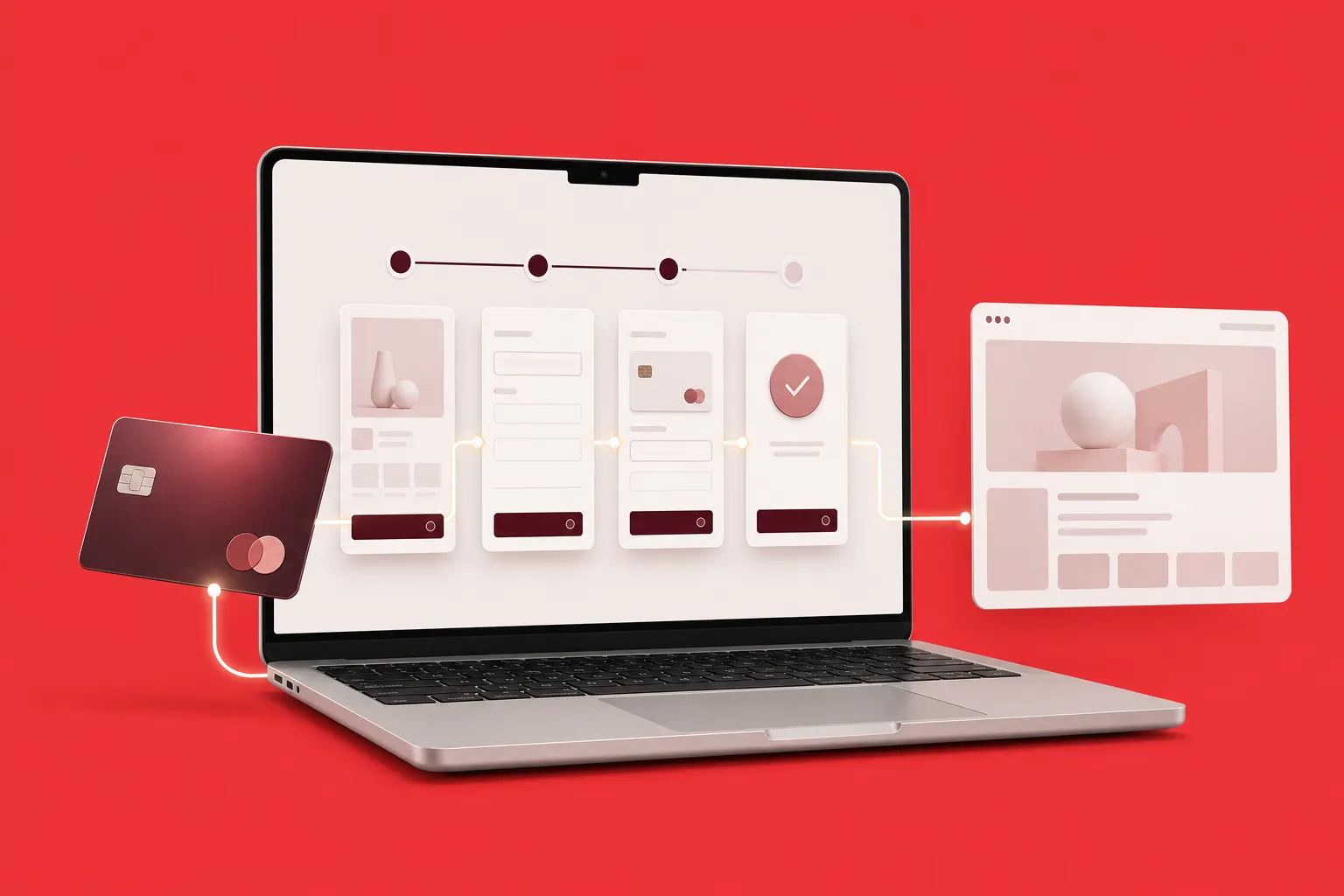
เทียบ 4 วิธีเชื่อม Stripe กับ Webflow ทั้ง Payment Links, Webflow Ecommerce, custom code และเครื่องมือเสริม พร้อมขั้นตอนจริงและเช็กลิสต์ก่อนเปิดรับเงิน
